Gold jewelry has held a special place in human culture for millennia, symbolizing wealth, love, and status. When purchasing gold jewelry, it’s essential to understand the different karat values and what they signify about the gold’s purity and quality. This blog post delves into the meanings of 14K and 18K gold, the process of transforming 24K pure gold into these forms, and a brief overview of 10K gold jewelry. We’ll also explore why gold has been a favored material throughout history and why cheaper alternative metals often fall short.
What Do 14K and 18K Gold Mean?
The karat (K) system measures the purity of gold, with 24K representing pure gold. However, pure gold is relatively soft and unsuitable for everyday jewelry, leading to the creation of gold alloys.
• 14K Gold: Comprises 14 parts gold and 10 parts other metals (usually copper, silver, or zinc), making it 58.3% pure gold. This blend provides durability and a balance between affordability and quality, making it a popular choice for engagement rings and other fine jewelry.
• 18K Gold: Consists of 18 parts gold and 6 parts other metals, resulting in 75% pure gold. It offers a richer, more vibrant color compared to 14K gold, along with a higher value. Although it’s slightly softer than 14K gold, it remains durable enough for regular wear.
The Transformation from 24K to 18K and 14K Gold
Turning 24K pure gold into 18K or 14K gold involves mixing it with other metals to enhance its strength and alter its color. Here’s how the process works:
1. Melting: Pure gold is melted in a furnace.
2. Alloying: While in its molten state, the gold is mixed with specific amounts of other metals (such as copper, silver, and zinc) to achieve the desired karat value.
3. Casting: The gold alloy is poured into molds to form ingots or sheets.
4. Forming: These ingots or sheets are then rolled, hammered, or otherwise formed into jewelry pieces.
Understanding 10K Gold Jewelry
10K gold jewelry is the least pure form commonly used, consisting of 10 parts gold and 14 parts other metals, making it only 41.7% pure gold. While it’s the most durable due to its higher percentage of alloyed metals, it has a paler color and lower value compared to 14K and 18K gold. It’s often chosen for budget-conscious buyers or pieces that need to withstand more wear and tear.
The Historical Significance of Gold Rings
Gold rings have been cherished throughout history for several reasons:
• Symbolism: Gold rings have long symbolized eternal love, commitment, and fidelity, making them the preferred choice for wedding and engagement rings.
• Durability: Gold’s resistance to tarnish and corrosion means it retains its beauty over time, a critical factor for heirloom pieces.
• Value: Gold has intrinsic value, making gold jewelry a tangible investment.
Why Cheap Alternative Metals Fall Short
While cheaper metals like stainless steel, tungsten, and titanium are available, they often don’t measure up to gold for several reasons:
• Aesthetic Appeal: Gold’s unique luster and color are unmatched by cheaper metals, which can look dull or less refined.
• Value Retention: Gold retains its value over time, whereas alternative metals do not hold the same investment potential.
• Tradition and Sentiment: Gold carries historical and emotional significance that alternative metals lack.
In conclusion, understanding the differences between 14K, 18K, and 10K gold can help you make informed decisions when purchasing jewelry. The historical significance and unmatched qualities of gold make it a timeless choice for fine jewelry, ensuring your pieces remain beautiful and valuable for generations to come.
Check out these beautiful Gold Rings from 25karats.com
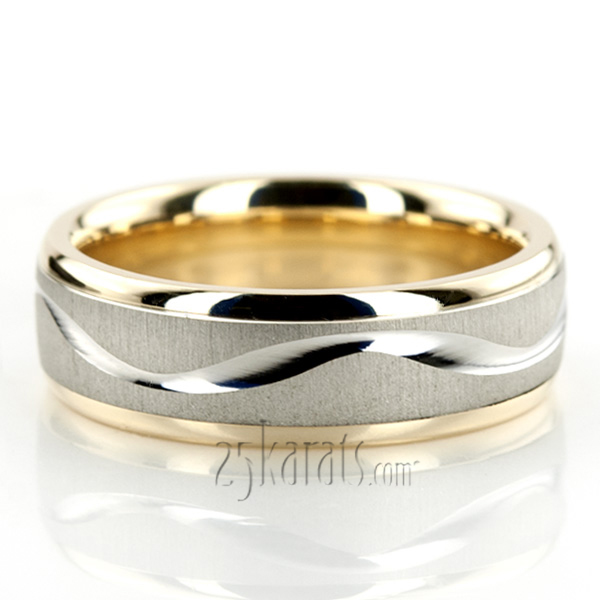
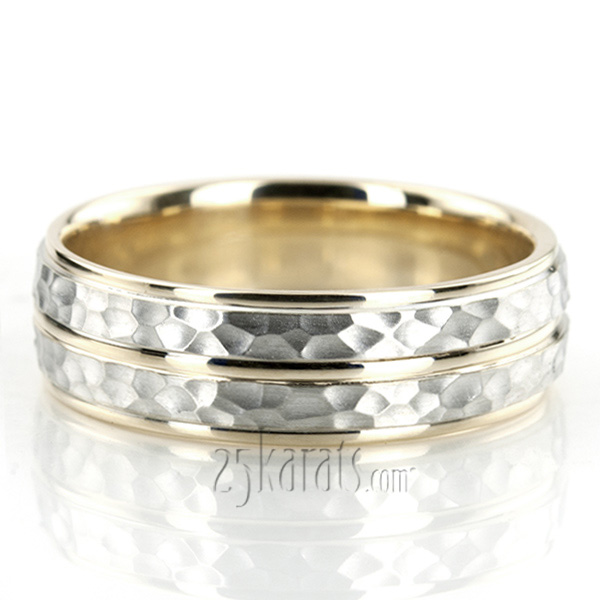
 Royal Wedding Bands
Leave a comment